

Sell your home in the north metro.
From your first valuation to closing day: full-service listing marketing, expert pricing, and the north metro's #1 office behind you.
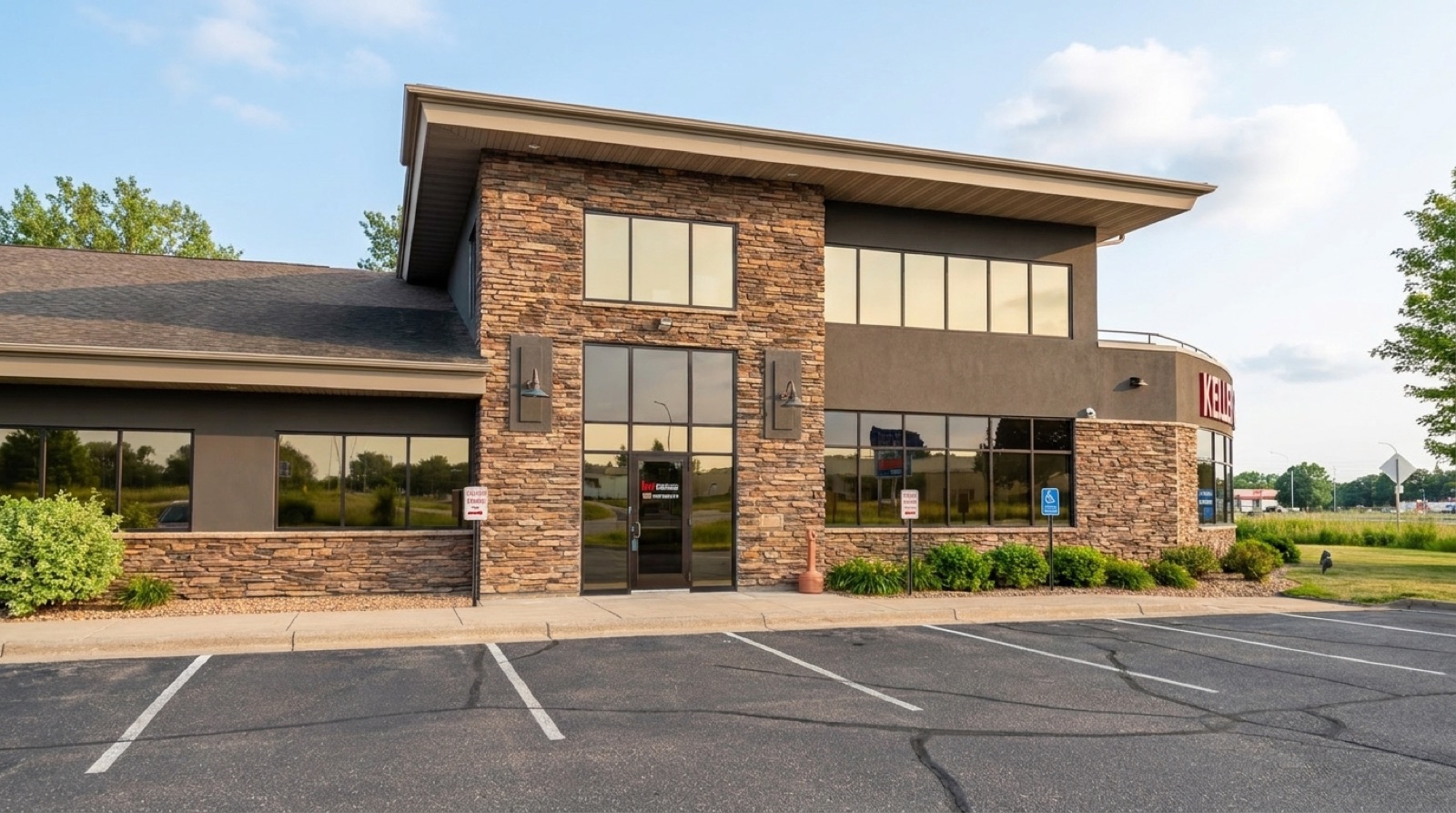
What's my home worth?
Online estimates can't account for your home's condition, upgrades, or hyperlocal factors. Get a free, agent-prepared comparative market analysis based on real recent sales near you.
How we sell your home.
- 1
Free home valuation
We prepare a no-obligation CMA, built on real recent sales in your neighborhood.
- 2
Prep & pricing
Staging guidance and a pricing strategy that positions your home to sell.
- 3
Professional marketing
Pro photography, MLS syndication, and targeted digital campaigns through KW Command.
- 4
Showings
Coordinated, secure showings with feedback so you always know where things stand.
- 5
Offers & negotiation
We walk you through every offer and negotiate the best price and terms.
- 6
Inspection & appraisal
We manage the details and keep the deal on track to closing.
- 7
Close
Sign, transfer the title, and hand over the keys.
What's different about selling in the north metro.
A handful of Minnesota- and north-metro-specific facts change what you should expect and prepare for before you list.
What it actually costs to close
Minnesota's deed tax runs a flat rate statewide, plus a small county environmental fee in Hennepin and Ramsey. It's customary here for the seller to buy the buyer's title insurance policy — the opposite of many states — on top of the usual closing fee, recording costs and any prorated property tax. Run your own numbers in the seller net sheet before you list; it uses the same rates as the office's own worksheets.
Minnesota's deed tax is 0.33% of the sale price statewide, and 0.34% in Hennepin and Ramsey counties. Run your own numbers.
Truth-in-Sale of Housing, if you're in Minneapolis or St. Paul
Both cities require a Truth-in-Sale of Housing (TISH) evaluation — a point-in-time inspection report — before your sale can close. It has to be disclosed to buyers and ordered ahead of time, so it's worth scheduling early rather than discovering the requirement mid-transaction. Homes outside Minneapolis and St. Paul don't need one, but a standard seller's disclosure is still required everywhere.
Well, septic and the MUSA line
If your home sits outside the Metropolitan Council's Metropolitan Urban Service Area (MUSA) line — common in parts of Ham Lake, East Bethel, St. Francis, Elk River and Otsego — you're likely on a private well and septic system rather than municipal water and sewer. Buyers will ask for maintenance records and often want a septic inspection as a contingency, so having that paperwork ready before you list keeps a good offer from stalling on it.
Seller questions, answered.
Should I sell my current home before buying a new one?
It depends on your finances and the market. In a seller's market you may be able to sell quickly and negotiate a rent-back or extended closing to bridge the gap. In a slower market, selling first gives you more negotiating power as a buyer. We'll walk you through the options for your specific situation.
How long will my home take to sell?
It depends on your neighborhood, price point and the season — a well-priced, well-presented home moves faster than an overpriced one in any market. Spring and early summer typically bring the most buyer competition. We'll pull real-time data for your specific neighborhood before we list, so you have an actual number instead of a metro-wide average.
What's the best time of year to sell in Minnesota?
Spring (April–June) is traditionally the busiest season with the most buyer competition. Fall can work well too, and winter listings tend to attract more serious buyers. The right timing depends on your goals. There's no single "best" month.
How do I know what my home is worth?
We prepare a free, no-obligation comparative market analysis (CMA) based on recent sales of similar homes near you. Online estimates are a starting point, but they can't account for condition, upgrades, or hyperlocal factors the way a local agent can.
What is Truth-in-Sale of Housing, and do I need one?
It's a required point-in-time inspection report for homes sold in Minneapolis and St. Paul specifically — most other north metro cities don't require it. If your home is in either city, plan to order it early; it has to be disclosed to buyers before your sale can close, and scheduling it late can hold up an otherwise-ready transaction.
I have a well and septic system — what do I need to have ready?
Pull together your septic maintenance and pumping records and any well water test results before you list. Buyers financing outside of a cash purchase will often make a septic inspection a contingency, and having your paperwork ready ahead of time is the easiest way to keep that from slowing down a good offer.
What should I fix before listing, and what should I skip?
Fix anything that would show up on a buyer's inspection and read as deferred maintenance — a leaking faucet, a cracked window, an obviously worn roof. Cosmetic updates are a case-by-case call: a fresh coat of neutral paint and decluttering almost always pay for themselves, while a full kitchen remodel rarely returns what it costs before a sale. We'll walk your home with you and tell you honestly which is which before you spend anything.
Work out your number first.
Seller net sheet
Estimate what you would actually walk away with — Minnesota deed tax, title, prorated taxes and payoff. Runs in your browser.
Open →What it costs to sell here
The real line items on a north metro sale, and which of them are negotiable.
Open →What is my home worth?
A real valuation from an agent who works your street, not an automated guess.
Open →Our preferred local partners
Lenders, title and inspection companies our agents already work with regularly.
Open →Ready to sell?
Request your free home valuation and a local listing expert will be in touch.